

Maldives Travel Guide
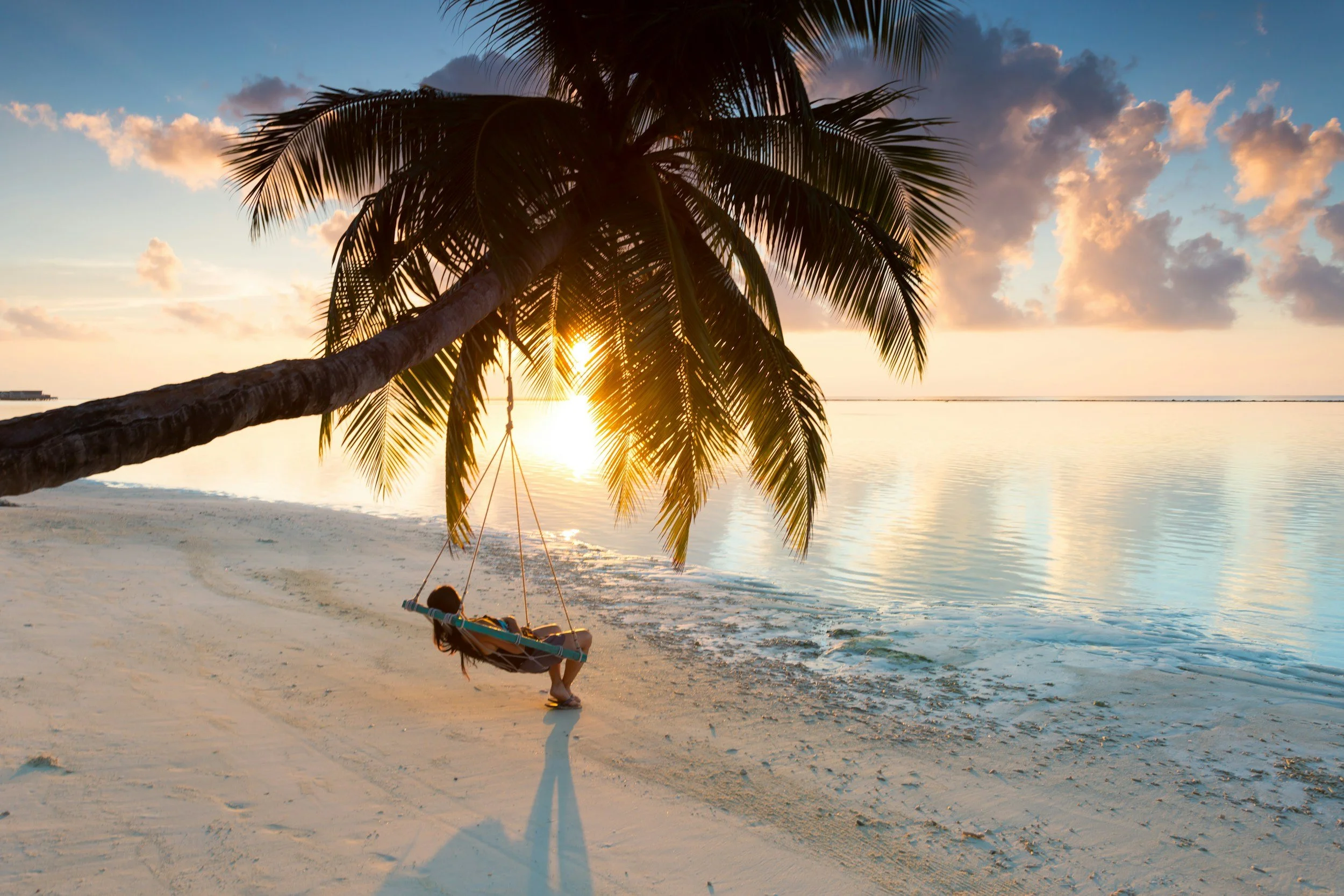
Planning a trip to the Maldives can feel overwhelming — dozens of atolls, different seasons, resort vs. liveaboard options, and many small details that matter. This guide gives you a clear, honest overview of everything you need to know: weather, transfers, diving, snorkeling, marine life, culture, and practical tips to prepare your trip with confidence.
About the Maldives
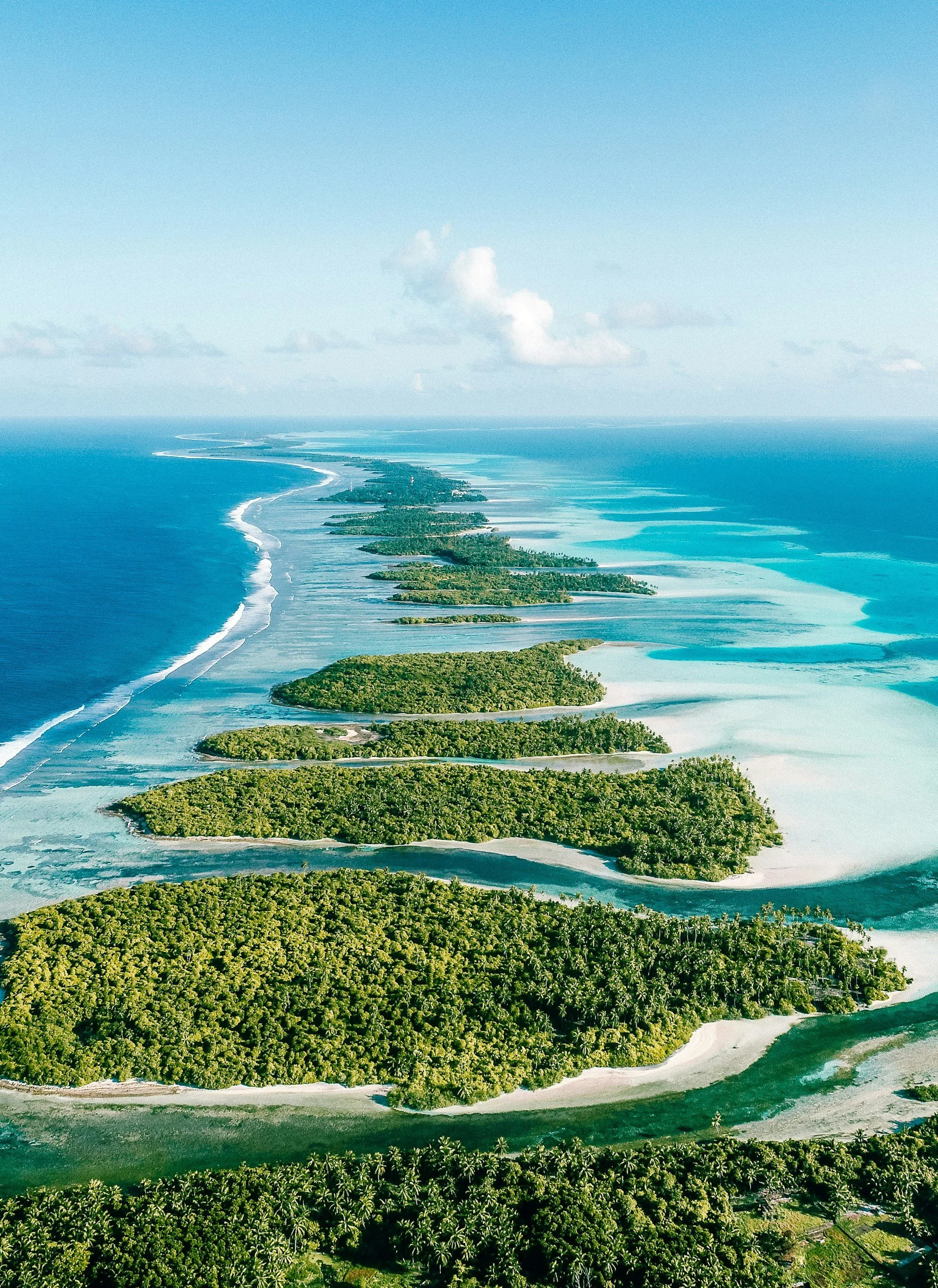
The Maldives is a chain of 1,200 coral islands spread across 26 atolls in the Indian Ocean — known for clear lagoons, white-sand beaches, and some of the richest marine life on the planet. Warm water, reliable conditions, and diverse underwater ecosystems make it a dream destination for divers, snorkelers, and ocean-focused travellers.
Each atoll offers something different: manta cleaning stations, whale shark hotspots, quiet sandbanks, vibrant reefs, or luxury resorts surrounded by lagoons. Whether you’re planning a liveaboard, a resort stay, or a combination of both, this guide will walk you through the essentials — seasons, weather, atolls, transfers, costs, activities, and what to expect during your trip.
MALDIVIAN ATOLLS
The Maldives is made up of 26 natural atolls, each known for different marine life, activities, and overall atmosphere. Some atolls are easy to reach by speedboat from Malé, while others require a domestic flight or seaplane. Marine life varies widely — from manta cleaning stations and whale shark areas to channel dives, drift dives, and calm lagoon reefs ideal for snorkelers. Understanding these differences helps you choose the right atoll for your trip.
SEASONS & CLIMATE
The Maldives has two main seasons: the dry season (Dec–Apr) with plenty of sunshine and calmer seas, and the wet season (May–Nov) with warm winds, short tropical showers, and typically better prices. The wet season is also manta season in Hanifaru Bay, where huge gatherings occur between June and October.
WEATHER OVERVIEW
Temperatures stay steady year-round at 27°C–31°C. Rain often comes in short tropical bursts rather than full-day storms. Conditions like visibility and currents vary by month and atoll, but the Maldives remains a year-round destination for diving, snorkeling, and relaxation.
Best time to visit the Maldives
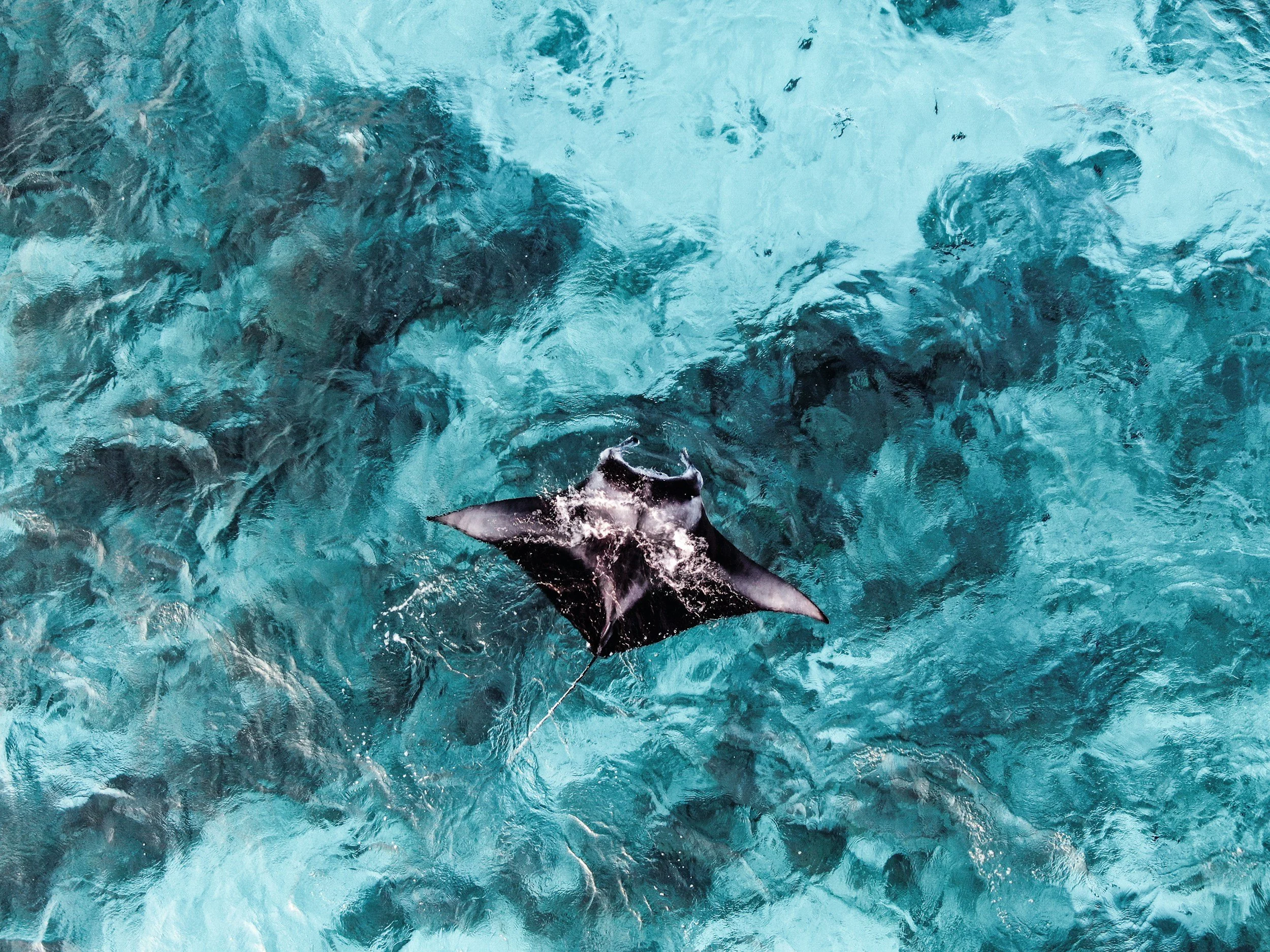
The best time to visit the Maldives depends on what you’re looking for — calm seas, sunshine, special marine life events, or better travel prices. The dry season (Dec–Apr) offers the most stable weather, while the wet season (May–Nov) brings warmer winds, short tropical showers, and typically better value.
Each period has its own highlights: manta season in Baa Atoll, excellent diving conditions in many atolls during the dry months, and fewer crowds + attractive rates in the off-peak period. Our full guide breaks down the seasons and monthly conditions so you can choose the time that fits your travel style.
TRAVEL REQUIREMENTS FOR THE MALDIVES
Traveling to the Maldives is simple and straightforward. Most nationalities receive a free 30-day visa on arrival, provided you have a confirmed accommodation booking, a return or onward ticket, and a passport valid for at least 6 months beyond your departure date. Before arriving, all travelers must complete the IMMUGA Traveler Declaration online (within 96 hours before arrival).
The local currency is the Maldivian Rufiyaa (MVR), although nearly all resorts and liveaboards use USD. English is widely spoken, and island transfers are arranged by seaplane, speedboat, or domestic flight depending on your atoll. Electricity is 230V with Type G (UK-style) plugs.
With simple entry rules and easy travel logistics, the Maldives remains a stress-free destination for both resort stays and liveaboard trips.
How to get to the Maldives
Reaching the Maldives is easy. Nearly all international visitors arrive at Velana International Airport (MLE) on Malé, with direct flights from major European hubs and convenient connections through Doha, Dubai, Istanbul, and Singapore. Once you land, immigration is quick and straightforward, and you’ll be met by your resort or liveaboard representative for your onward transfer.
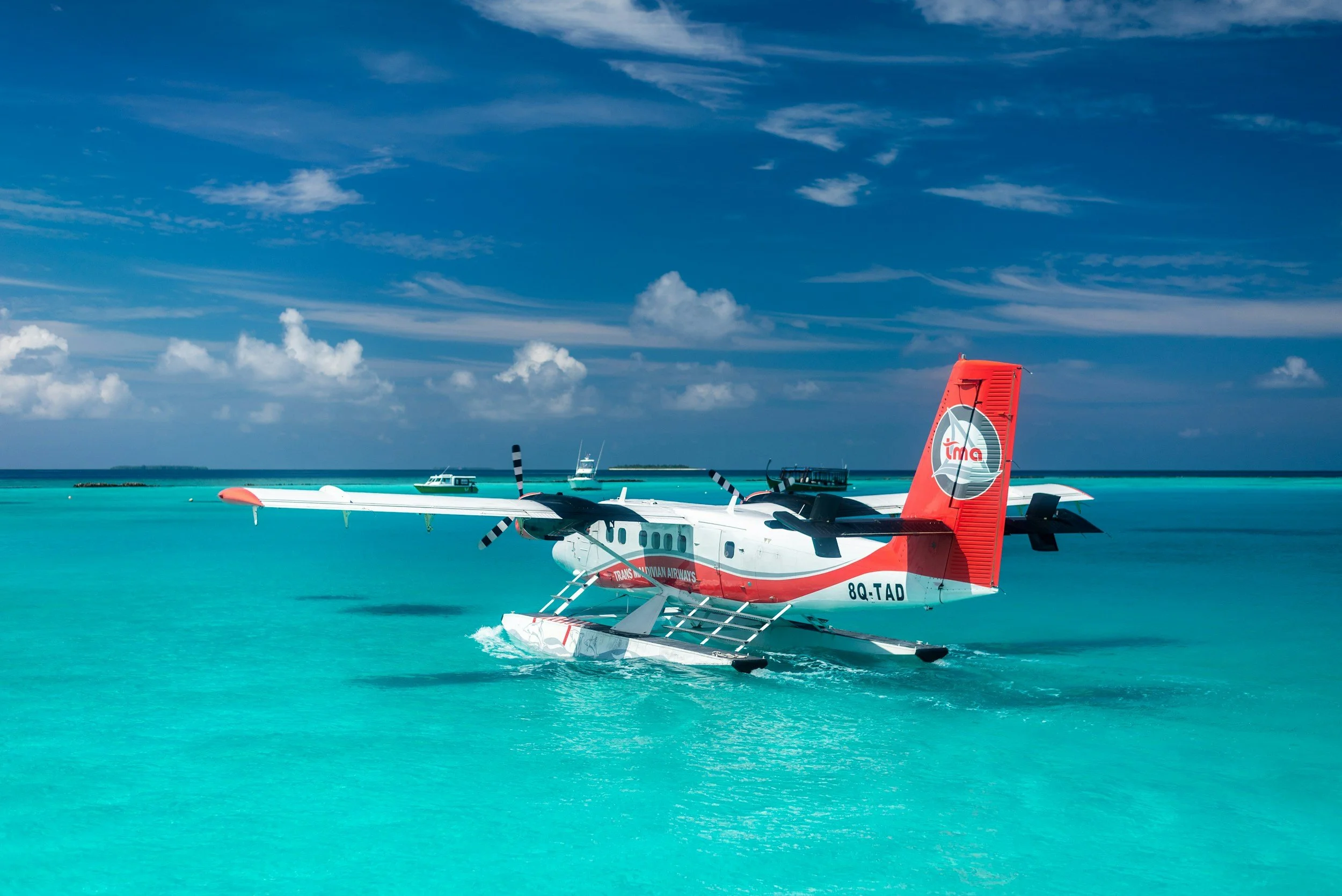
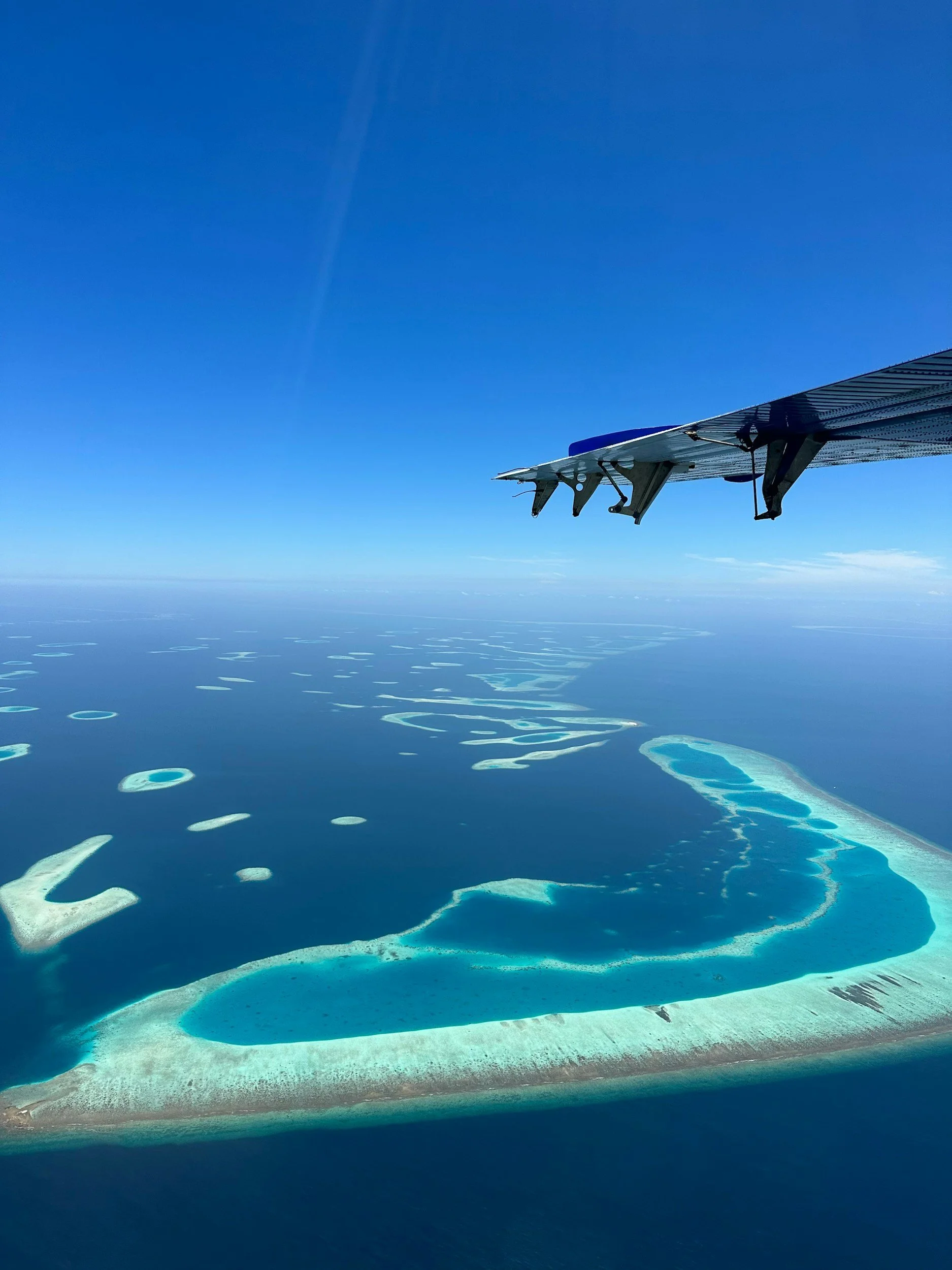
Depending on your destination, transfers are arranged by speedboat, seaplane, or domestic flight. Some atolls are just a short boat ride from Malé, while others require a scenic seaplane flight over the islands. All transfers must be booked in advance and are coordinated according to your international arrival and departure times.
Diving in the Maldives
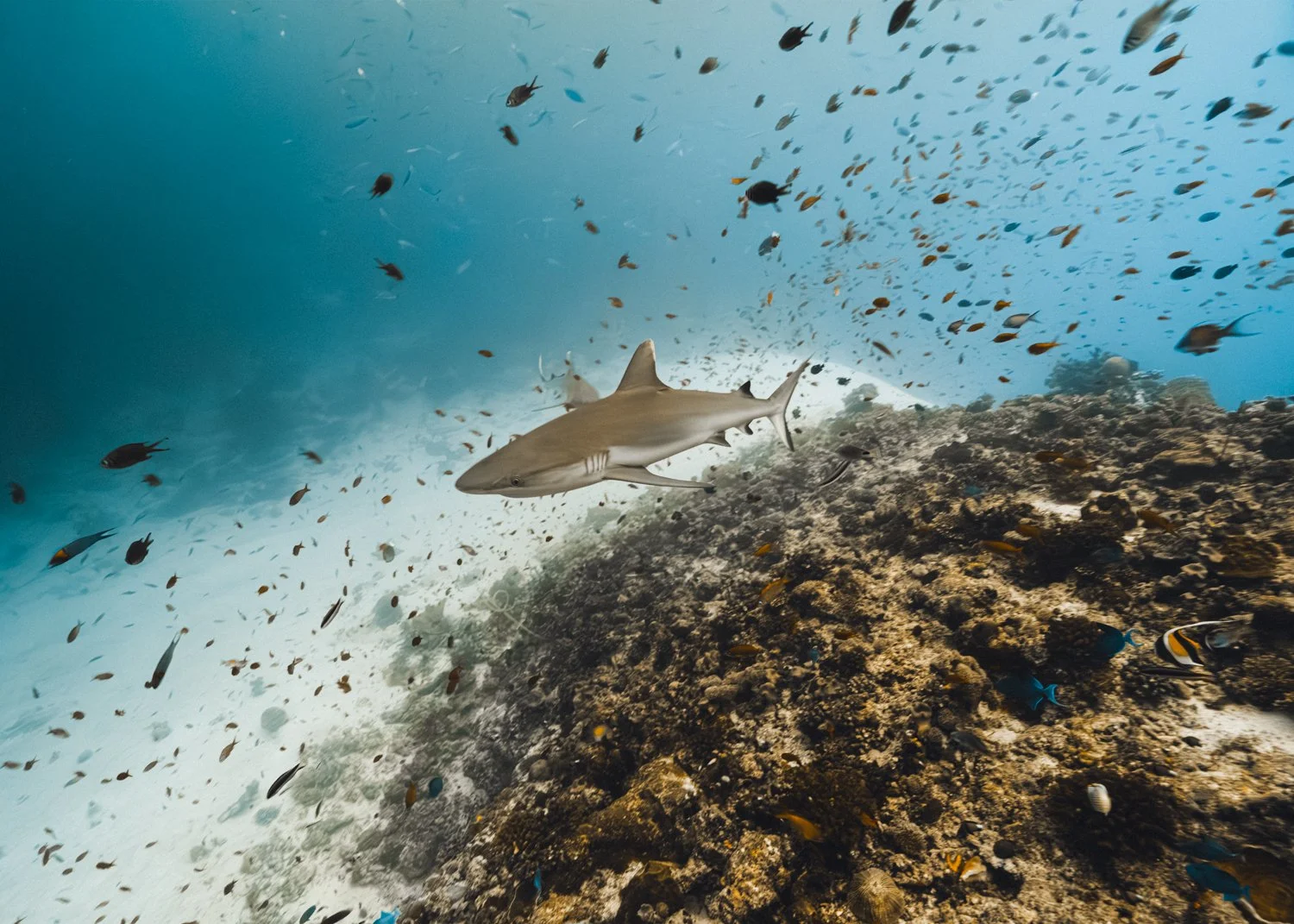
The Maldives is one of the world’s top diving destinations, offering everything from calm lagoon reefs to thrilling channel dives with sharks, mantas, turtles, and vibrant coral life. Conditions are warm year-round, visibility is typically excellent, and each atoll has its own signature dive sites and marine life highlights.
Whether you’re a beginner or an experienced diver, you’ll find a mix of drift dives, pinnacles (thilas), overhangs, manta cleaning stations, and occasional encounters with whale sharks. Our detailed guides explore the best atolls, seasons, and dive routes to help you plan the perfect dive trip.
TYPES OF DIVING IN THE MALDIVES
Diving varies across the atolls — from gentle reef dives to fast channel currents where sharks and pelagics gather. Popular structures include thilas (underwater pinnacles), giris (shallower reefs), and manta cleaning stations.
MARINE LIFE HIGHLIGHTS
Expect reef sharks, turtles, different kind of rays, schooling fish, healthy corals, seasonal manta gatherings, and year-round macro life. Whale sharks are seen mainly in South Ari Atoll and occasionally in other regions.
BEST TIME FOR DIVING
Diving is possible all year, but conditions vary by season and atoll. The dry season (Dec–Apr) offers calmer seas and great visibility in many regions, while the wet season (May–Nov) brings rich plankton life which attracts manta rays and whale sharks.
Snorkeling in the Maldives
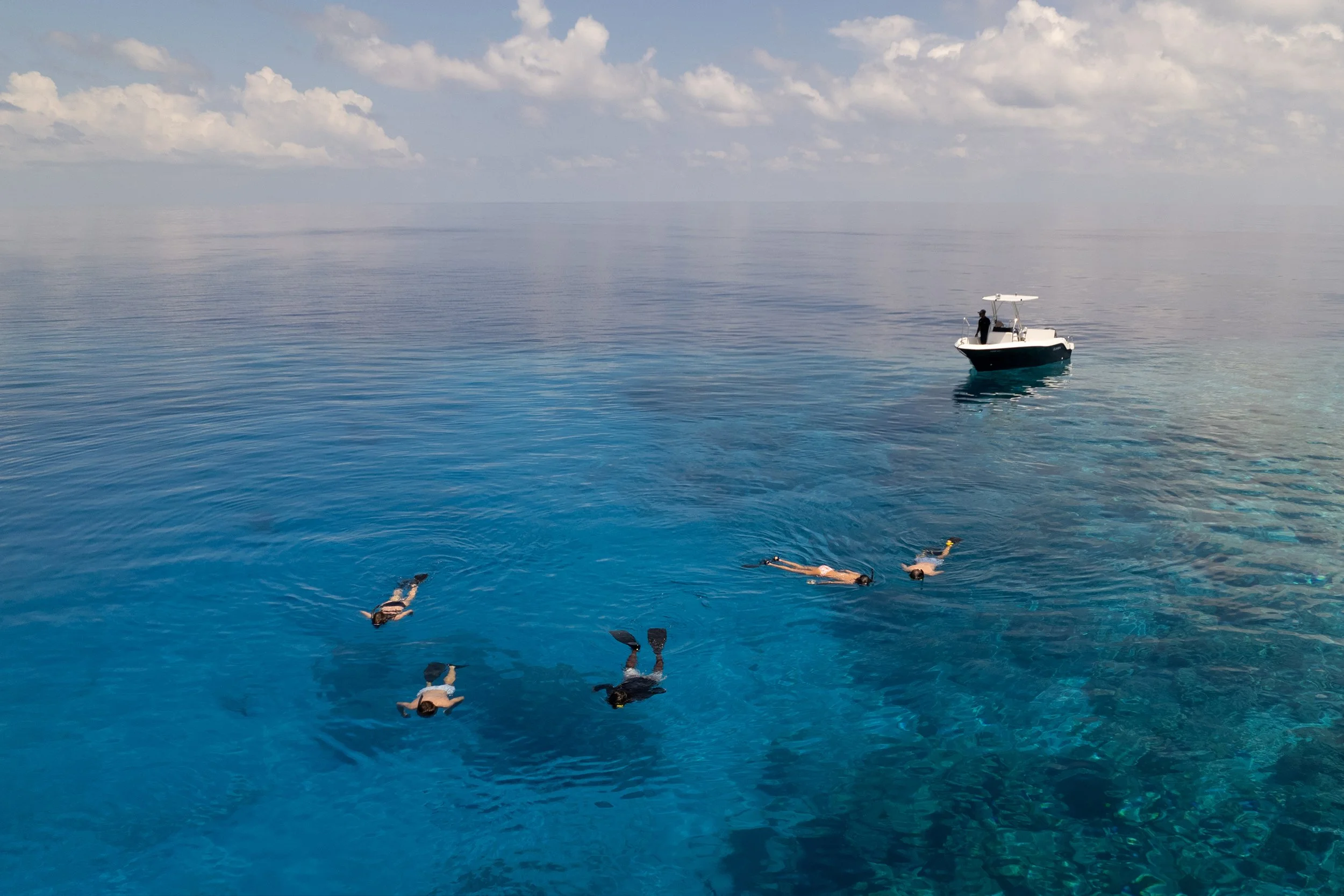
The Maldives is one of the best snorkeling destinations in the world, with warm, clear water, shallow reefs, and abundant marine life just below the surface. Many islands and atolls offer calm lagoons ideal for beginners, while others have vibrant outer reefs where you can see turtles, reef sharks, eagle rays, and schools of colorful fish.
Snorkeling can be done straight from the beach on islands with a house reef, or on guided boat excursions to reef channels, sandbanks, and manta cleaning stations during the season. Conditions vary between atolls and seasons, and our detailed guides help you choose the best areas and experiences for your travel style.
HOUSE REEFS VS. EXCURSIONS
Some islands have a house reef you can access directly from shore, while others offer boat trips to nearby reefs, channels, and sandbanks. Both options provide excellent snorkeling depending on the atoll and season.
MARINE LIFE HIGHLIGHTS
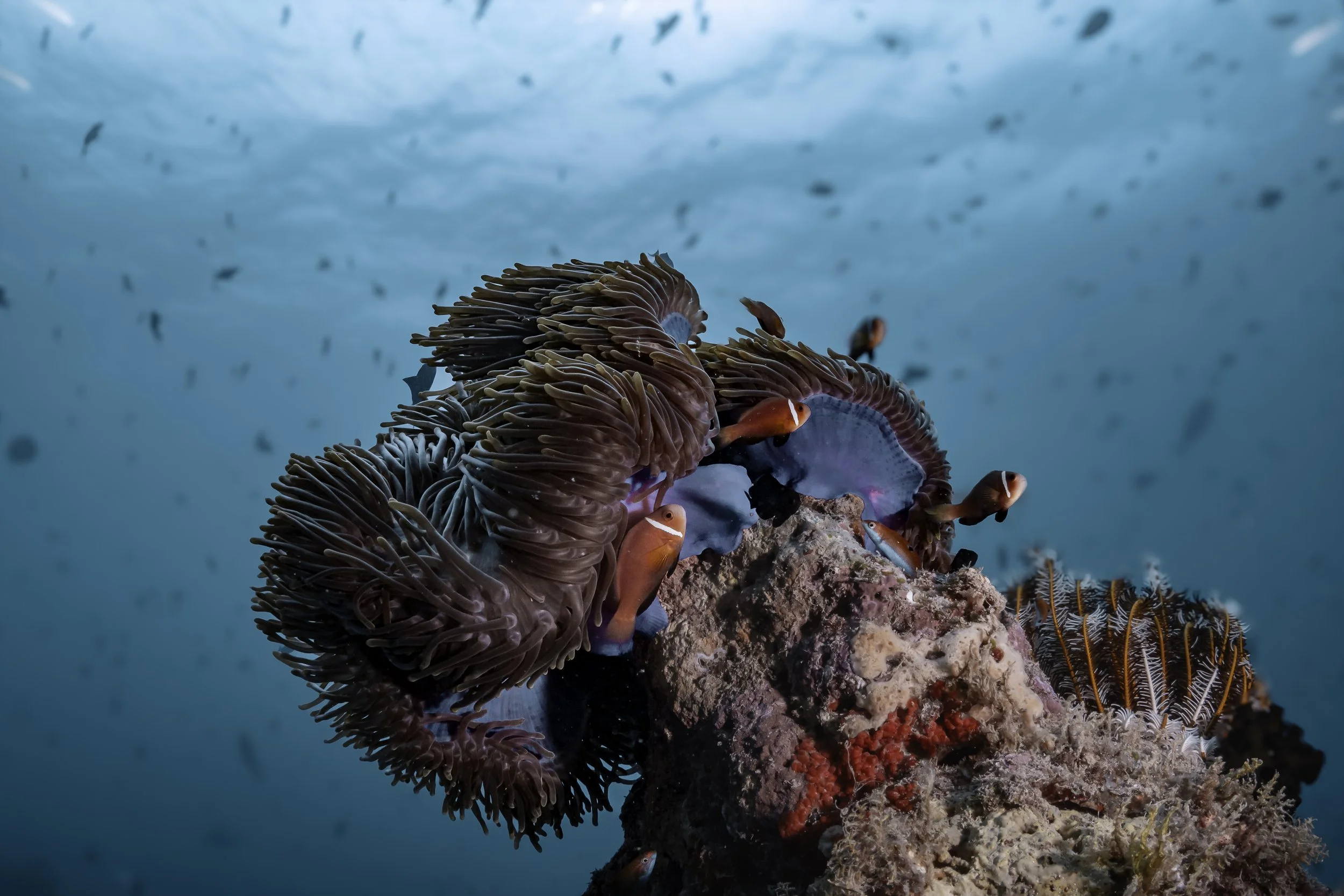
Common encounters include reef sharks, turtles, rays, clownfish, parrotfish, and thriving coral gardens. During manta season, you can witness manta rays feeding or visiting cleaning stations — especially in Hanifaru Bay in Baa Atoll, one of the world’s most famous manta aggregation sites. It’s an unforgettable experience, even for non-divers.
SAFETY & CONDITIONS
Most snorkeling spots are calm and beginner-friendly, but currents can be stronger near channels. Always follow local guidance, avoid touching corals, and respect marine life. Reef-safe sunscreen is essential to protect the environment.
Travel costs in the Maldives vary widely depending on your accommodation and activities. Most resorts and liveaboards use USD, and mandatory charges include a 10% service charge, 17% GST, and a USD 12 per-person per-night Green Tax. Food, drinks, spa treatments, and excursions can add up quickly, so it’s helpful to plan your budget in advance.
Liveaboards often offer better overall value for divers, with diving, meals, and transfers included. Resorts range from affordable local-island guesthouses to ultra-luxury properties with premium dining and experiences.
PRICES & BUDGET IN THE MALDIVES
Local Culture
The Maldives is a Muslim country, and cultural norms vary depending on where you stay. On resorts and liveaboards, alcohol is allowed and dress codes are relaxed. On local islands, alcohol is prohibited, and swimwear is restricted to designated “bikini beaches,” which most touristic islands now provide. When walking through villages, modest clothing is required.
Maldivians are warm, welcoming, and extremely helpful toward visitors. English is widely spoken, and respectful behavior—such as covering shoulders and knees on local islands and avoiding public displays of affection—is appreciated.
What to pack for the Maldives
Pack light and practical. Flip-flops are all you need — closed shoes are unnecessary on nearly all islands and liveaboards. Bring breathable clothing, swimwear, a light cover-up for restaurants and transfers, and plenty of reef-safe sunscreen. A waterproof bag is useful for boat trips, and reef shoes are only needed on certain local islands or rougher entry points.
If you take medications, bring enough for the entire trip, as pharmacies can be limited outside Malé. For diving, pack your certification card, dive computer, and any personal gear you prefer. Chargers, adapters (Type G, 230V), and basic toiletries are usually enough, since most resorts and liveaboards provide towels and amenities.
SUSTAINABLE TRAVEL
The Maldives is home to delicate coral reefs and protected marine areas, so responsible behavior makes a real difference. Use reef-safe sunscreen, avoid touching corals, and keep distance from turtles, sharks, mantas, and all marine life. Never stand on the reef or feed fish and stingrays.
Reduce plastic whenever possible — most liveaboards and resorts provide filtered drinking water and reusable bottles. Dispose of waste properly, respect no-take zones, and follow all guidance from dive guides and crew, especially around manta or whale shark encounters. Small actions help preserve the Maldives for future generations.

READY TO PLAN YOUR MALDIVES TRIP?
If you’re looking for expert guidance or a curated dive-focused experience, we’re here to help. Explore our Maldives trips and get in touch for personalized advice.
Explore curated Maldives dive experiences — from luxury liveaboards to expert travel insights.

Learn what a liveaboard is and why our curated trips offer the most relaxed way to explore the Maldives.

A simple guide to choosing the right Maldives resort for diving, snorkeling, and relaxation.